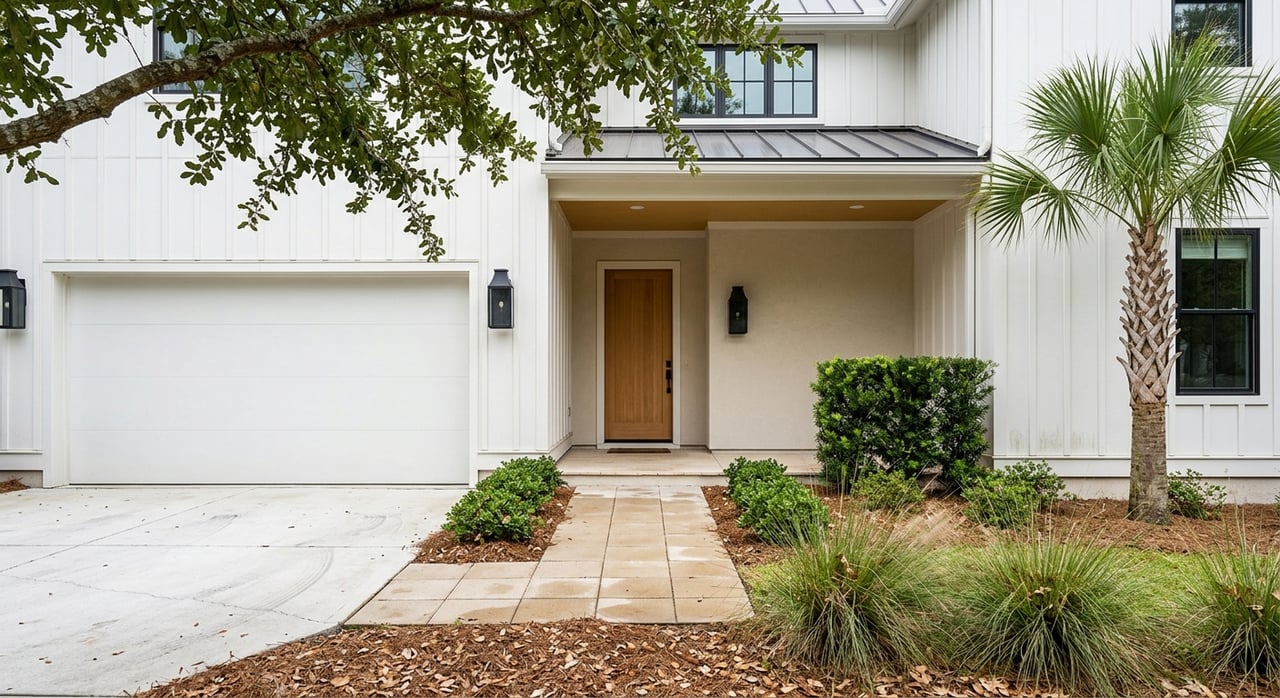
New Construction Or Resale In St. Johns County?
July 2, 2026
July 2, 2026
Trying to decide between a brand-new home and a resale in St. Johns County? It sounds simple at first, but the better choice often comes down to your timeline, budget, and how much uncertainty you are willing to manage. If you are weighing both options, this guide will help you compare the real tradeoffs, ask smarter questions, and focus on the local factors that matter most in St. Johns County. Let’s dive in.
In St. Johns County, the new construction versus resale decision is not just about style or age of the home. Local permitting, inspections, utility approvals, flood-zone questions, and community costs can all affect your experience and your total cost.
That means two homes with similar prices can feel very different once you look closer. A strategy-first approach helps you compare the full picture instead of focusing only on the list price.
New construction often appeals to buyers who want a newer home, modern finishes, and warranty protection. It can also be a good fit if you prefer less immediate wear and tear and like the idea of moving into a home that has never been lived in.
Florida law requires a builder to provide a one-year warranty on a newly constructed home for construction defects involving equipment, material, or workmanship that cause a material violation of the Florida Building Code. Normal wear and tear and normal settling are not covered, and some builders may offer an express written warranty that adds to that baseline coverage.
For many buyers, that warranty support adds peace of mind. If having a newer home and builder-backed protection is high on your priority list, new construction may feel like the stronger option.
In St. Johns County, new construction usually involves more moving parts before you can close and move in. The county requires permits before most construction work begins, and a home cannot be occupied before a Certificate of Occupancy or Completion is issued.
The county process can include permit review, inspections, holds and releases, utility approvals, and final occupancy sign-off. St. Johns County also provides an online permit portal where permit status, inspection history, and CO status can be tracked.
That matters because timelines can shift. Even when a home looks nearly finished, final steps still need to line up before closing can happen.
Another key local factor is impact fees. St. Johns County’s phase-1 2026 residential impact-fee schedule lists total county impact fees ranging from $6,907 to $32,441, depending on home size.
These fees can include categories such as roads, schools, public buildings, fire rescue, law and jail, parks, and conservation. If you are comparing new construction communities, ask whether those fees are already included in the contract price or handled separately.
For new water, sewer, and reclaimed infrastructure, the county utility group must approve the work before construction starts. That is one more reason a new-build timeline can be less predictable than buyers expect.
If you need a firm move date, this is a detail worth taking seriously. A clean, realistic timeline matters just as much as the floor plan.
Resale homes often appeal to buyers who want a faster path to occupancy. Because the home is already built, you are usually evaluating the exact house, lot, landscaping, and surroundings as they exist today.
That can make decision-making feel more concrete. Instead of waiting on future completion, you can judge the finished product with your own eyes and compare condition, layout, and location more directly.
Resale can also work well if you want more certainty around timing. You are not typically waiting on the same construction milestones, utility approvals, and final CO process tied to a brand-new build.
A resale home may offer more timeline certainty, but condition becomes a bigger part of the decision. You will want to pay close attention to the age of major systems, signs of deferred maintenance, and whether updates or additions were properly permitted.
For St. Johns County buyers, permit history matters. Buyers can review permit status and public records for items such as additions, pools, screen enclosures, or other improvements.
A home inspection is especially important here. It gives you a better understanding of current condition and helps you make informed tradeoffs before closing.
Whether you choose new construction or resale, flood risk is a local factor you should review early. St. Johns County floodplain management provides flood zone determinations and elevation certificates, and development in Special Flood Hazard Areas requires a construction permit.
The county also states that St. Johns County is a FEMA CRS Class 5 community, which can provide flood-insurance savings for some property owners. That does not make every property the same, though. You should confirm the flood zone and ask for any available elevation certificate or related documentation for the specific home you are considering.
In many St. Johns County communities, your monthly or annual cost may include more than just your mortgage and insurance. You may also have HOA dues, a CDD assessment, or both.
These are not the same thing. Under Florida law, a community development district is a local special-purpose government that can levy special assessments for the construction, reconstruction, acquisition, or maintenance of district facilities.
That means a community with appealing amenities may also carry recurring costs that need a closer review. When you compare homes, look at the full carrying cost and what those fees actually cover.
Before you choose, compare:
If you are considering a new build in St. Johns County, ask clear, specific questions early. This can help you avoid surprises and understand whether the timeline and total cost fit your goals.
If you are leaning toward resale, your focus should shift toward condition, documentation, and recurring ownership costs. A thoughtful review now can save you from expensive surprises later.
If you care most about warranty coverage, a newer home, and the appeal of modern construction, new construction may be the better fit. It can work especially well if you are comfortable with a longer, more step-by-step timeline and are prepared to review the full cost carefully.
If you care most about speed, seeing the exact finished property, and making decisions based on current condition, resale may be the better fit. It often gives you more certainty around what you are buying and when you can move in.
In St. Johns County, the smartest decision usually comes down to four local checkpoints: permit timing, flood zone, impact fees, and whether the community has HOA or CDD costs. Once you compare those side by side, the right path often becomes much clearer.
If you want help weighing new construction against resale in St. Johns County, Kaitlin Chernyshov and the Market Makers Group can help you compare timelines, costs, and community details so you can move forward with confidence.
Stay up to date on the latest real estate trends.

Whether you’re buying your first home or planning your next sale, our team is here to guide you every step of the way.
ADDRESS 8380 BAYMEADOWS RD STE 17 JACKSONVILLE FL 32256