
Understanding Appraisals In St. Johns County Real Estate
July 9, 2026
July 9, 2026
Buying or selling in St. Johns County can feel straightforward until the appraisal enters the picture. That one report can shape your financing, your timeline, and sometimes your next move at the negotiating table. If you want to understand what an appraisal really does, what local factors can affect it, and how to prepare for it with less stress, you’re in the right place. Let’s dive in.
A home appraisal is an independent opinion of a property’s value that a lender uses to help decide how much money it is willing to lend on a purchase. In most financed transactions, the appraisal is part of underwriting and plays a direct role in whether the loan amount works for the deal.
It is important to know that an appraisal is not the same as a home inspection. An inspection focuses on the condition and function of the home’s systems and components, while an appraisal focuses on market value.
In a typical loan transaction, you are generally entitled to receive a copy of the appraisal and other written valuations no later than three days before closing. Timing can vary, though, because the process may take a few days or a few weeks depending on appraiser availability, the complexity of the property, and how long it takes to complete the report.
St. Johns County is not a one-size-fits-all market. The county covers 601 square miles, includes 42 miles of Atlantic shoreline, and has water borders on two sides, which means property values can shift meaningfully from one area to another.
That local geography matters because appraisers usually rely heavily on recent comparable sales in the same submarket. A home near the coast, along a riverfront area, or in a different pocket of the county may not line up well with broader county averages.
For you as a buyer or seller, that means local context matters just as much as square footage or bedroom count. A strong appraisal often depends on how closely the property matches recent nearby sales, not just how the overall county market is performing.
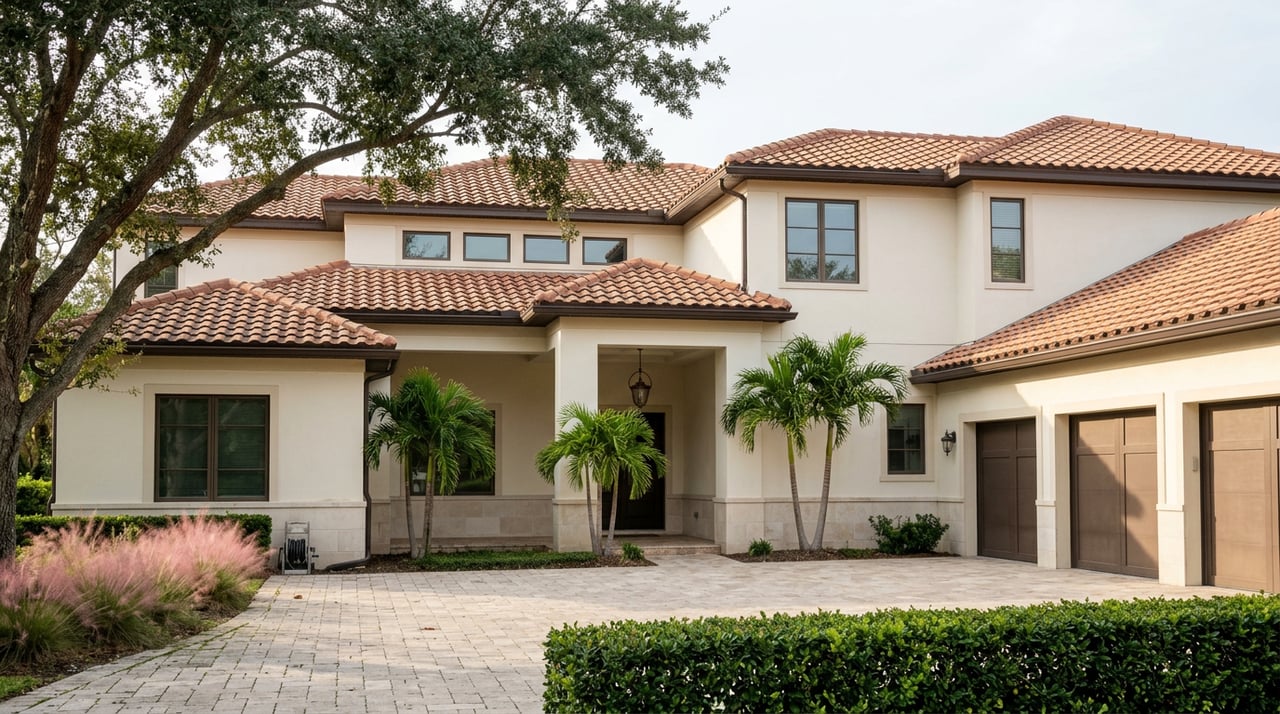
Appraisers generally look at the home itself and the market around it. They consider the property’s size, layout, bedroom and bathroom count, condition, maintenance, landscaping, location, views, and special features such as a pool.
They also compare the home to recent local sales and adjust for differences. That is the core of how many residential appraisals are built, especially in active residential markets where comparable sales provide the clearest picture of value.
A traditional appraisal report may include:
If you are selling, this is why visible condition can matter so much. Clean presentation, clear maintenance, and identifiable updates may help the appraiser see the property more fully in the context of the market.
One of the most common points of confusion in St. Johns County real estate is the difference between a mortgage appraisal and the county’s property tax values. They are not the same thing, and they are created for different purposes.
The St. Johns County Property Appraiser prepares the tax roll and separates market value, assessed value, and taxable value for property-tax purposes. A lender’s appraisal, by contrast, is a separate valuation used for a specific mortgage decision.
That is why the county’s numbers and the lender’s appraisal can differ, sometimes by a lot. If you see a tax value that does not match a contract price or appraised value, that difference alone does not mean something is wrong.
When the appraised value meets or exceeds the contract price, the financing process usually continues without changing the planned loan amount or the cash needed up front. In simple terms, the value supports the deal.
When the appraisal comes in low, the lender may not approve the full requested loan amount based on the contract price. That can create a gap between what the lender is willing to finance and what the buyer agreed to pay.
This is often where buyers and sellers need a calm, strategy-led response. The next step depends on the contract terms, the strength of the market evidence, and how flexible each side is willing to be.
A low appraisal does not always kill the deal, but it usually requires a decision. The most common paths forward are fairly straightforward.
You may be able to:
If you are the buyer, start by getting a copy of the appraisal and reviewing how the appraiser reached the number. The comparable sales used, the adjustments made, and any missing property details can help shape the next move.
If you are the seller, it helps to stay focused on evidence rather than emotion. The best response is usually based on recent sold comparables in the same submarket and any facts that may not have been fully reflected in the report.
If there may be reporting errors, inappropriate comparable sales, or additional information the appraiser should consider, the lender may allow a reconsideration of value, often called an ROV. This is a request to reassess the value based on specific concerns or additional market support.
Communication about the appraisal should go through the lender. The appraiser can discuss the results only with the client who hired them, so buyers and sellers usually work through the lender when requesting review.
A successful reconsideration is usually based on facts, not frustration. Clear comparable sales, missing upgrades, or objective corrections are much more useful than broad disagreement with the number.
In St. Johns County, flood status can influence how a property is evaluated during the financing process. The county notes that major flood threats can come from heavy rain, seasonal high tides, and tidal surges tied to coastal storms and hurricanes.
The county floodplain department regulates development in special flood hazard areas and issues flood-zone determinations. If a property’s flood status is unclear, the county can provide FIRM determination letters, historical FIRM letters, and community acknowledgment letters at no fee, typically within three business days or less.
That kind of local clarity can be helpful before appraisal or underwriting if the buyer, seller, or lender needs confirmation about flood-zone status. For properties in high-risk A or V zones with government-backed mortgages, flood insurance is generally required.
If you are buying in St. Johns County, the safest mindset is to expect the appraisal to matter late in the process. Even when everything else is on track, appraisal timing or value can still affect your closing path.
A few smart steps can help you stay ready:
Preparation does not remove every surprise, but it can make your choices clearer if an issue comes up.
If you are selling, pricing strategy is your first line of defense. Listing based on recent sold comparables in the same submarket gives the appraisal a stronger foundation than relying on older sales or broad county trends.
It also helps to make improvements easy to identify. If you have completed remodeling, restoration, or renovation work, organize that information so the property’s updates are visible and easy to understand.
Before the appraisal, focus on the basics:
A well-prepared home does not guarantee a target number, but it can help the appraiser capture the property more accurately.
Because St. Johns County includes coastal areas, river-influenced locations, and distinct neighborhood pockets, appraisal strategy is rarely just about price per square foot. The right comparable sales, the right timing, and the right local context can all shape the outcome.
That is why buyers and sellers benefit from a process-driven approach. When you understand what the appraisal is measuring and how local market conditions may affect it, you can make better decisions with less guesswork.
Whether you are buying your first home, moving up, or preparing to sell in a competitive part of Northeast Florida, having a clear plan around appraisal timing, value, and negotiation can help you move forward with more confidence. If you want local guidance on pricing, comps, and the steps that can strengthen your position, connect with Kaitlin Chernyshov.
Stay up to date on the latest real estate trends.

Whether you’re buying your first home or planning your next sale, our team is here to guide you every step of the way.

ADDRESS 8380 BAYMEADOWS RD STE 17 JACKSONVILLE FL 32256