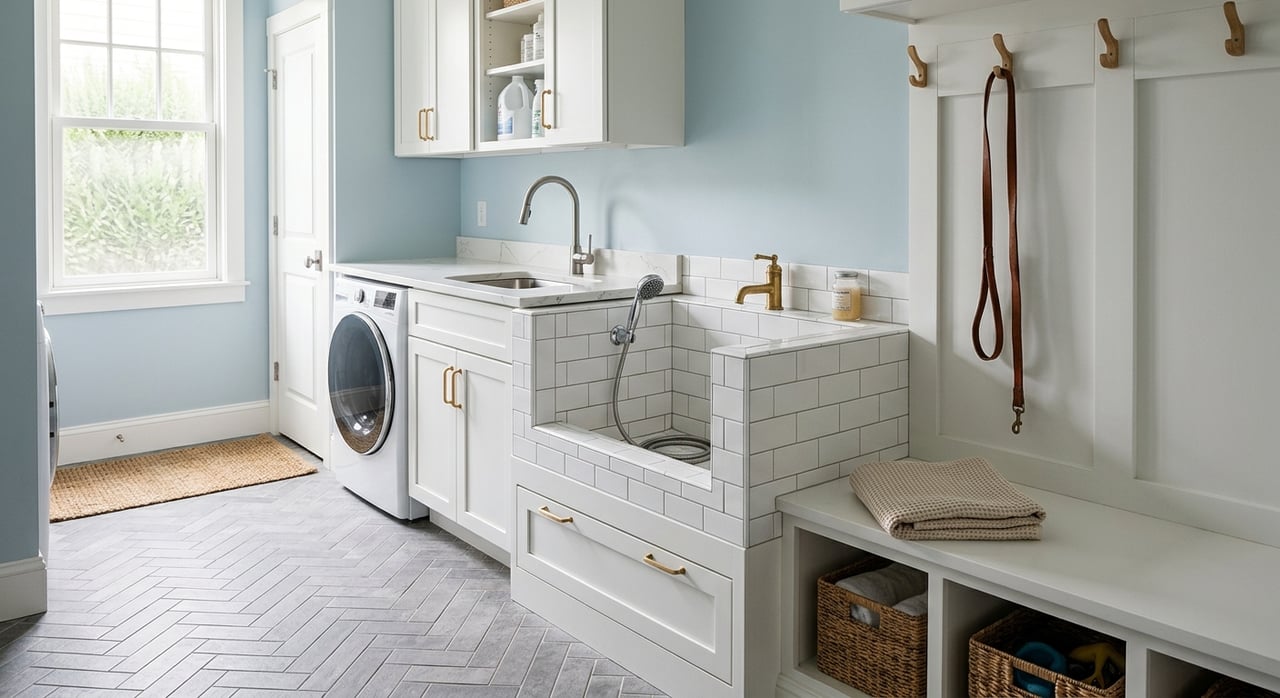
Pet-Friendly Living Across Jacksonville Neighborhoods
June 25, 2026
June 25, 2026
If your pet is part of every housing decision, you are not alone. In a city as large and varied as Jacksonville, a home can look like a great fit on paper but feel very different once you factor in walks, leash rules, yard setup, and access to parks. This guide will help you compare Jacksonville neighborhoods through a pet-owner lens so you can focus on the daily routine, not just the listing photos. Let’s dive in.
Jacksonville gives you more than one version of pet-friendly living. The city maintains more than 400 public and recreational spaces through JaxParks, which means your routine may depend on a nearby park, trail, or preserve corridor rather than one major dog destination.
That matters when you are choosing where to live. A neighborhood can support pet ownership in different ways, whether that means quick leash walks, off-leash time at a designated dog park, or longer trail outings on the weekend.
JaxParks also notes that dogs are allowed in all parks if they are on a leash. The city publishes a dog-park list that currently includes locations in Historic Springfield, Ed Austin Regional Park, Forest Street, John Gorrie/Riverside Park, Leonard Abess Park, Oceanway, and Tillie K. Fowler Regional Park.
Before you compare neighborhoods, think about what your day actually looks like. A home that works well for a senior dog, a puppy, or a high-energy dog may not be the same.
The biggest questions usually come down to frequency, access, and space. If your dog needs frequent trips outside, a fourth-floor walk-up or a home without easy indoor-outdoor flow can be less practical than it first appears.
A helpful way to frame your search is to ask:
If you want closer-in living with city park access, Historic Springfield and Riverside stand out in Jacksonville’s current dog-park network. Springfield Park, Playground and Dog Park includes a fenced 2.87-acre dog park, while John Gorrie Dog Park is part of Riverside Park.
For buyers who prefer an urban-core setting, this can make everyday pet care easier. You may trade a larger private yard for quicker access to a designated off-leash space nearby.
The Forest Street Dog Park adds another option near Brooklyn and Mixon Town. According to JaxParks, it opened in spring 2026 and includes shade trees, double-gated entries, waste receptacles, and separate areas for large and small dogs.
That type of setup can matter if you want a neighborhood where short trips to a dog park fit neatly into your workday. It is also a reminder that park design details can affect how useful an amenity is in real life.
Oceanway Community Center, Park and Pool also includes a dog park. For buyers looking beyond the urban core, this adds another practical option when comparing Northside areas.
In larger parts of Jacksonville, park access may be spread out rather than concentrated. That makes drive time, trailheads, and your usual walking route just as important as the number of pet amenities on a map.
Some buyers care less about dog parks and more about consistent walking routes. In that case, city trails can be a major part of your decision.
The Jacksonville-Baldwin Rail Trail is a 14.5-mile paved trail with multiple trailheads, while the S-Line Rail Trail is a 4.5-mile urban trail that runs through residential areas. If regular walks or jogs are part of your schedule, neighborhoods with easier access to these routes may offer a better day-to-day fit.
Beach-adjacent living can sound ideal for pet owners, but the rules vary by location. Kathryn Abbey Hanna Park has more than 20 miles of trails, but pets are allowed only in designated areas and must be on a leash no longer than eight feet.
Huguenot Memorial Park is even more restrictive for day use. The city states that day-use customers are not allowed to bring dogs, while registered campers with dogs must keep them leashed and away from shorelines.
A pet-friendly neighborhood helps, but the home itself still does most of the daily work. When you tour properties, pay attention to practical details that can make life easier over time.
Flooring is one of the first things many pet owners notice. Durable, easy-to-clean surfaces such as luxury vinyl or laminate are often easier to manage in kitchens, entryways, hallways, and other high-traffic spaces.
Stairs also deserve a closer look. If you have a puppy, an older dog, or a pet with mobility issues, repeated stair use may be less convenient than a one-story layout or a home with easier outdoor access.
Here is a simple home checklist to keep in mind:
One of the biggest mistakes buyers make is assuming a neighborhood is pet-friendly because they see people walking dogs there. In practice, your experience depends on local rules, park rules, and community governing documents.
Jacksonville’s animal ordinance prohibits animals at large and allows off-leash use only in city-designated or legally established dog parks. The city code also states that a leash or tether longer than eight feet counts as failure to exercise proper physical control.
That means you should not assume a large open green space is available for off-leash play. It also means leash length matters, especially if you are used to using a longer line elsewhere.
If you are considering a neighborhood with an HOA or a condo association, review the governing documents carefully before making an offer. Florida law requires homeowners’ associations to keep their declarations, bylaws, amendments, and current rules as official records, and the association’s powers come from those documents and state law.
For pet owners, that can affect size limits, number of pets, fencing rules, waste requirements, and use of common areas. Two communities that look similar online can have very different rules once you read the documents.
A smart pet-friendly home search is not only about finding the closest dog park. In many Jacksonville neighborhoods, everyday walkability can matter more.
Sidewalk continuity, safe walking routes, and usable outdoor space often shape your routine more than a weekend amenity does. If you are out several times a day with your dog, short, easy walks from your front door may be more valuable than a longer drive to a specialty park.
Preserve and trail settings also come with trade-offs. JaxParks notes that many preserve trails are backcountry trails, so owners should plan for water, sunscreen, insect repellent, and sudden thunderstorms.
Yard size and outdoor access are only part of the story. Jacksonville’s environmental quality division says pet waste can carry bacteria, wash into storm drains and tributaries, and contribute to algae blooms and low-oxygen water.
If you want a lower-maintenance routine, think honestly about how often you will be cleaning up and where waste disposal is located. A slightly smaller yard with a simpler setup can sometimes be easier to manage than a larger space without a convenient routine.
The best pet-friendly fit usually comes down to three things: how often your pet needs to go out, whether the home supports that routine, and whether the neighborhood rules line up with how you want to live.
As you narrow your options, compare neighborhoods with a simple framework:
The right answer may look different for every buyer. Some people need fenced outdoor space first, while others are happy with a lower-maintenance home near trails and a designated dog park.
If you are weighing Jacksonville neighborhoods and want help matching a pet-friendly routine to the right home and area, Kaitlin Chernyshov and the Market Makers Group can help you compare options with a clear, local strategy.
Stay up to date on the latest real estate trends.
Whether you’re buying your first home or planning your next sale, our team is here to guide you every step of the way.

ADDRESS 8380 BAYMEADOWS RD STE 17 JACKSONVILLE FL 32256