Coastal And Riverfront Living Across St. Johns County
April 9, 2026
April 9, 2026
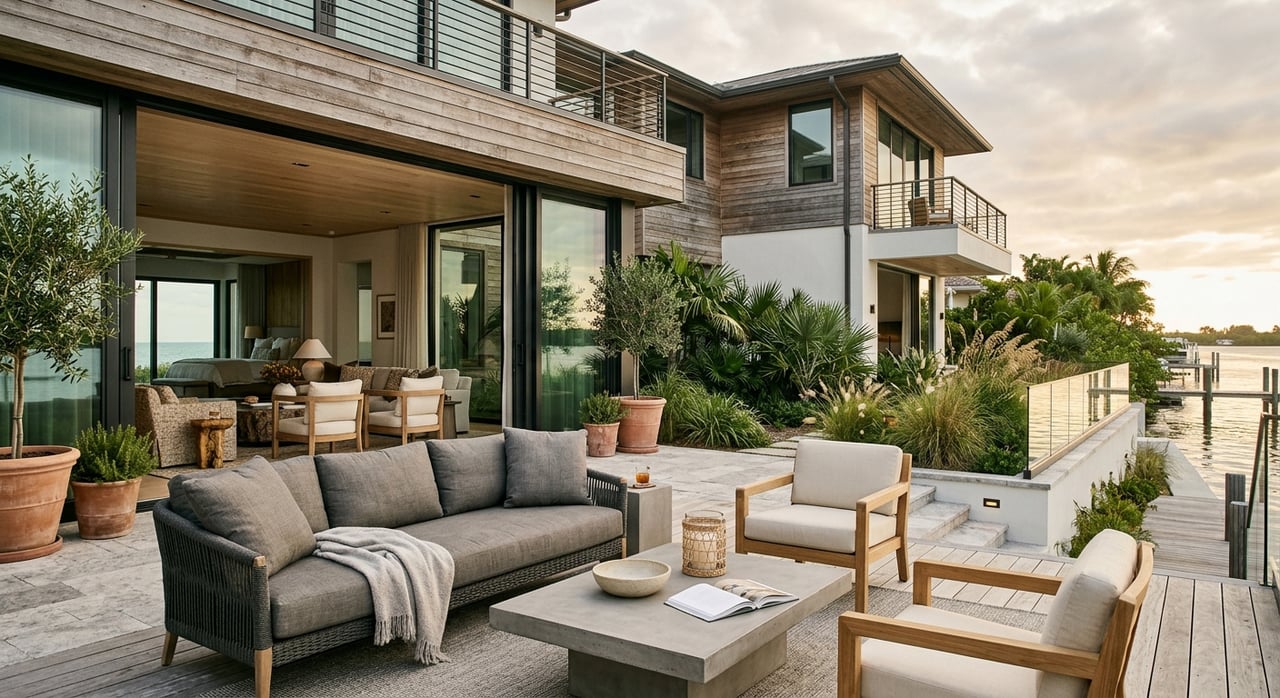
If you picture St. Johns County as only a beach destination, you are missing half the story. This is a place where Atlantic shoreline and inland waterways both shape how you spend your time, whether that means beach walks, pier sunsets, paddling through creeks, or launching a boat for the day. If you are trying to decide which part of the county fits your lifestyle best, this guide will help you compare the feel, access, and everyday rhythm of coastal and riverfront living. Let’s dive in.
St. Johns County has a wide range of water-oriented settings, not just one version of waterfront life. According to St. Johns County Habitat Conservation, the county includes 41.1 miles of beaches and maintains 15 free boat ramps with both saltwater and freshwater access.
That matters because your day-to-day experience can look very different depending on where you land. Some areas center on beach access, piers, and walkable dining, while others lean toward marsh views, boardwalks, river launches, and quieter natural surroundings.
Ponte Vedra Beach offers a more peaceful coastal setting with a strong connection to preserved natural space. The area includes public beach access at Mickler’s Landing and South Ponte Vedra Beach, and it is often associated with beachcombing, hiking, wildlife photography, and time outdoors.
A key part of the lifestyle here is the nearby GTM Research Reserve, where you can find trails, beach walks, kayak and paddleboard rentals, family seining, and seasonal inlet walks. It is also worth noting that vehicles are not allowed on Ponte Vedra Beach, which helps shape a quieter, pedestrian-focused beach experience.
Vilano Beach has a distinct coastal identity that feels relaxed and locally oriented. Visit St. Augustine describes it as a small coastal enclave with a pier, local market, and laid-back atmosphere.
From a practical standpoint, this area offers strong water access. County resources show vehicular beach access via Vilano Road, along with a pavilion, showers, restrooms, and an amphitheater, while the county also lists the Vilano Fishing Pier and Vilano boat ramp as part of the local access network.
If you want a more active beach routine, St. Augustine Beach stands out. The area is known for being highly walkable, with parks, surf shops, cafés, restaurants, and live-music venues close together, making it easy to enjoy short outings without relying on your car.
The St. Johns County Ocean and Fishing Pier adds to that everyday convenience with free parking, a splash park, playground, volleyball courts, showers, and a Wednesday farmers market. Nearby, Anastasia State Park brings even more outdoor variety with protected shoreline, marsh and dune landscapes, camping, and kayak or canoe access.
Crescent Beach tends to appeal to buyers who want a slower pace and easy access to both the ocean and inland water. Visit St. Augustine describes it as a peaceful area between the Atlantic and the Intracoastal Waterway, with local restaurants, outdoor outfitters, and room to enjoy both sides of the landscape.
County access pages note a mix of boardwalks, ADA access, and 4WD beach entry in parts of Crescent Beach. The nearby SE Intracoastal Waterway Park and Fort Matanzas area reinforce the natural, water-centered feel with marsh views, beach access, and fishing opportunities.
Fruit Cove is a strong example of a quieter riverfront lifestyle in St. Johns County. The area is connected to the St. Johns River through boardwalks, paddle-friendly creeks, picnic spots, and public access points, with Alpine Groves Park serving as one of the best-known anchors.
This setting often feels less about a busy beach scene and more about calm outdoor access woven into everyday life. Visit St. Augustine also highlights casual dining, coffee spots, and seafood options that fit the area’s easygoing pace.
Alpine Groves Park helps define what riverfront living can feel like in this part of the county. The county describes it as a passive park with trails, boardwalks, a fishing pier, historic structures, and habitat-restoration work.
It also hosts recurring community programming, including monthly tours and annual events. For many buyers, places like this are important because they show how water access is not just scenic, but also part of a regular routine.
Some river-oriented communities offer a more amenity-rich take on waterfront living. RiverTown includes a river boardwalk, fishing pier, kayak and paddleboard launch, waterfront dining, pools, and social spaces connected by trails and sidewalks.
Palencia offers a different kind of river-adjacent experience, centered around golf, parks connected by boardwalks, fitness trails, pools, club dining, and a boardwalk and fishing pier extending toward the Tolomato River. If you want water access paired with built-in amenities, these types of communities may be worth a closer look.
One of the biggest advantages of living in St. Johns County is how many ways you can get on the water. The county maintains 15 free boat ramps, and the broader access network includes places such as Riverdale Park, Douglas C. Crane Boat Ramp, Palmo Road Boat Ramp, and launch points tied to the Trout Creek and Palm Valley systems.
That variety gives you options whether you prefer offshore boating, Intracoastal outings, or quieter paddling days. It also means your ideal location may depend less on being directly waterfront and more on being near the right launch, park, or boardwalk for your routine.
Beach access in St. Johns County is not one-size-fits-all. The county notes that some shorelines are county-managed while others fall under state, city, or federal management, which can affect parking, access points, and recreation rules.
It is also important to know that beach driving is limited to designated stretches, not the entire county. The county further notes that sea turtle nesting season runs from May 1 through October 31, and permits are required for some special events and horseback riding uses, so checking current rules before you go is always a smart move.
If you are comparing lifestyle rather than just geography, a few patterns stand out. Based on the county and tourism resources, St. Augustine Beach and Vilano Beach tend to feel more active because they combine pier access, events, and nearby dining or gathering spots.
By contrast, Crescent Beach, the GTM corridor, and inland river parks tend to feel more nature-forward and slower paced. Neither is better across the board. It simply depends on whether you want your time near the water to feel social and walkable or quiet and tucked into the landscape.
Living near the water in St. Johns County is about more than scenery. The county’s Ocean Pier hosts a weekly farmers market, and the pier area also connects with seasonal events such as Music and Art by the Sea.
On the river and preserve side, Alpine Groves, GTM, and other parks support guided walks, cleanups, kayaking programs, and art events. That mix of recreation and local programming is part of what makes waterfront living here feel usable, not just picturesque.
When you are weighing coastal versus riverfront living, it helps to think in terms of routine. Do you want walkable beach access, nearby cafés, and an active public shoreline? Or would you rather have boardwalks, launch points, marsh views, and a quieter setting that still keeps you close to the water?
The right answer depends on how you actually want to live. If you are exploring St. Johns County and want guidance that balances lifestyle goals with a smart home search strategy, Kaitlin Chernyshov can help you compare communities, narrow your options, and move forward with confidence.
Stay up to date on the latest real estate trends.

Whether you’re buying your first home or planning your next sale, our team is here to guide you every step of the way.

ADDRESS 8380 BAYMEADOWS RD STE 17 JACKSONVILLE FL 32256