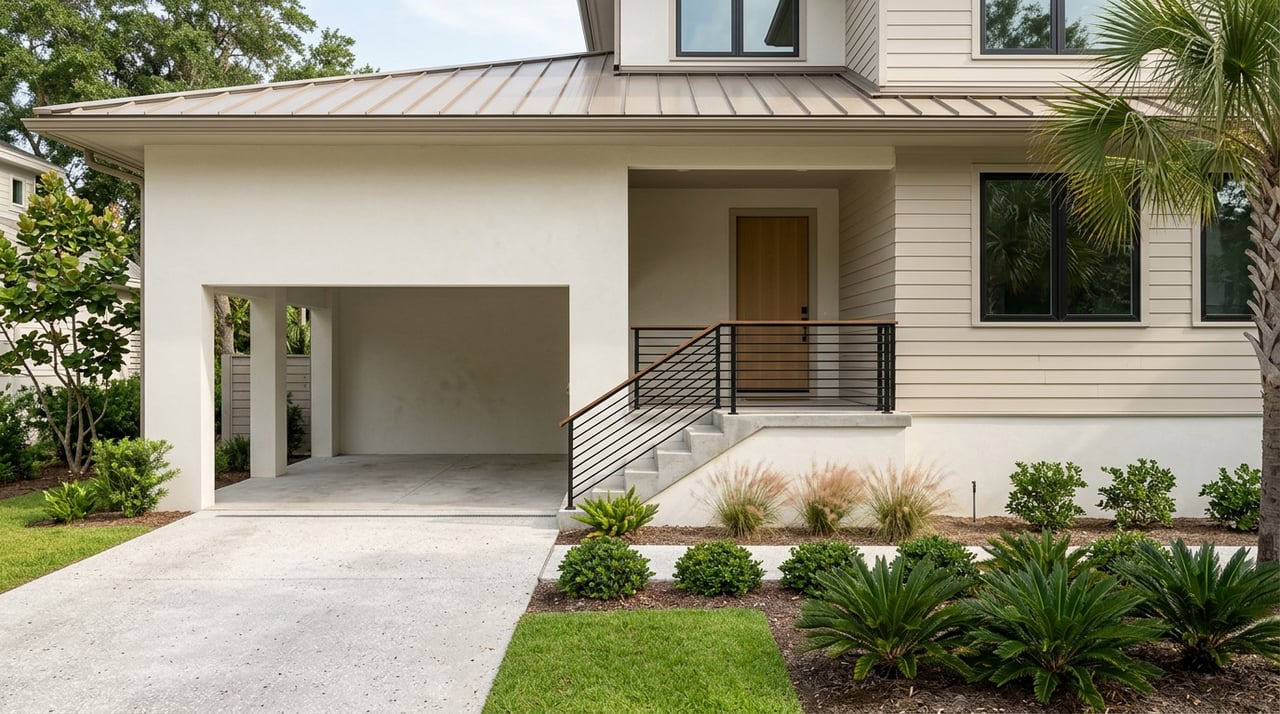
Island Or Mainland Living In Fernandina Beach
May 21, 2026
May 21, 2026
If you are trying to choose between island or mainland living in Fernandina Beach, you are really choosing how you want your days to feel. Some buyers want quick beach access and historic surroundings, while others want an easier path to major shopping, highway connections, and newer subdivision-style development. This guide will help you compare both options using local facts so you can narrow down what fits your lifestyle best. Let’s dive in.
In Fernandina Beach, “island” usually means living on Amelia Island, where the city of Fernandina Beach is located. Amelia Island is about 13 miles long, about four miles wide at its widest point, and Fernandina Beach sits about 15 miles east of I-95. Two bridges connect the island with the mainland.
In local conversation, “mainland” usually means Nassau County communities west of the island, especially Yulee and the SR 200 corridor. That distinction matters because the island and mainland support different daily routines, housing patterns, and transportation habits.
If you picture beach access as part of ordinary life, the island has a clear advantage. Fernandina Beach has public access points throughout the area, and Main Beach Park, North Beach Park, and Seaside Park are all close to the Atlantic Ocean.
The city also works to maintain public beach access and protect existing accessways. Main Beach offers accessibility features including a Mobi-Mat and beach wheelchairs, which reflects the city’s ongoing support for public use of the shoreline.
For many buyers, that means beach time can feel spontaneous instead of scheduled. Depending on where you live on the island, a walk, short bike ride, or quick drive may be all it takes to get your toes in the sand.
Daily life on the island tends to center around local services, beach activity, and established neighborhoods. Nassau County Transit operates the Island Hopper on Amelia Island Thursday through Monday, with a $1 fare per ride, and county planning also notes bike lanes as part of the island transportation network.
That does not mean island living is car-free, but it does offer a more locally connected feel in some areas. If you value being close to beach parks and moving around the island with multiple options, that can be a meaningful plus.
On the mainland, life is typically oriented around the SR 200 corridor and nearby communities like Yulee. Nassau County planning materials describe this area as home to grocery stores, large retail shopping centers, schools, and community and recreation centers.
The county also points to the 24,000-acre Wildlight mixed-use master-planned community as part of the mainland growth story. If your routine depends on regular errands, larger shopping hubs, and quick access toward I-95, the mainland may feel more convenient.
SR 200/A1A is the main connection between I-95, the mainland, and Amelia Island. Nassau County identifies it as a principal arterial, a Strategic Intermodal System connector, and a primary emergency evacuation route.
That means the corridor plays a major role in how people move through the area. If you live on the mainland and head to the island often, beach days usually take more planning because you need to cross the bridge. If you travel off-island regularly, mainland living may simplify that routine.
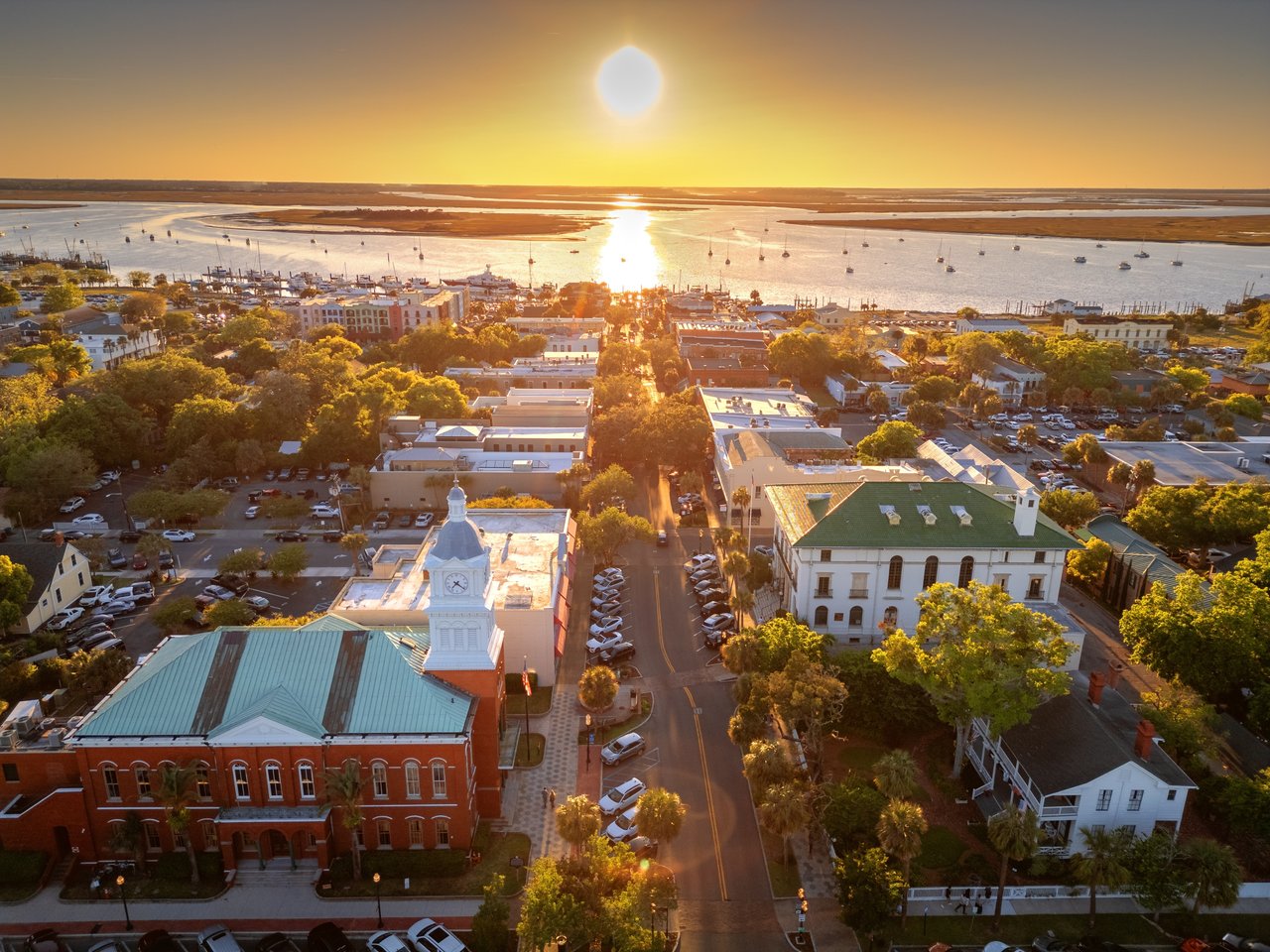
One of the biggest differences between island and mainland living is housing character. On the island, Fernandina Beach includes areas with strong historic identity, especially Old Town Fernandina and the Downtown Historic District.
The city says Old Town retains the 1811 Spanish plat and is both a local and National Register Historic District. Design guidance for Old Town references styles such as Low Country or Southeast Atlantic Coastal, Florida Vernacular, Spanish Colonial, and Modern, with porches and verandas as common features.
Historic areas can offer a setting that feels distinct and established. They may appeal to buyers who value architecture, walkable surroundings in certain sections, and the sense of place that comes with older development patterns.
There is also an important practical point to know. In historic districts, exterior work typically goes through design review and requires a Certificate of Appropriateness before a permit is issued. If you want flexibility for future exterior updates, that review process should be part of your decision.
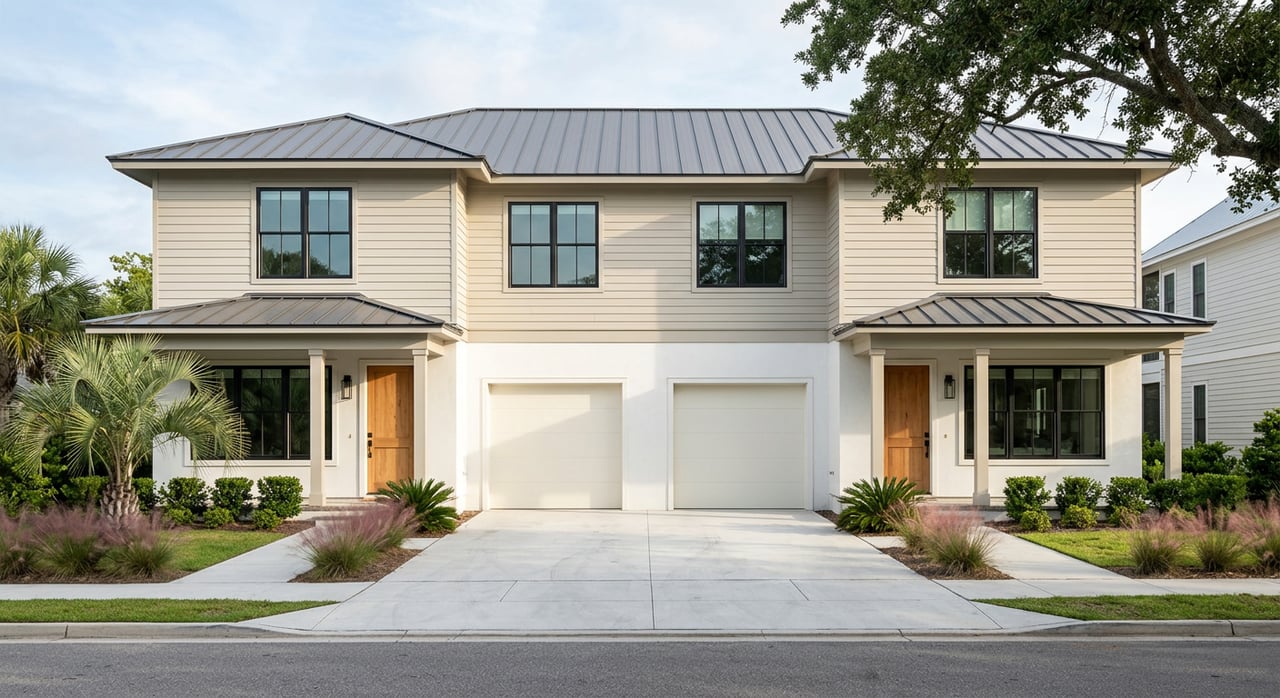
On the mainland and along SR 200, Nassau County describes recent growth as low-density, auto-oriented, and suburban in nature. Planning documents note one-story commercial strips along the corridor with one- to two-story single-family subdivisions behind them.
For buyers, that often translates into a newer, more subdivision-oriented feel compared with the island’s older historic fabric. Neither is automatically better. It depends on whether you prefer established character or a more typical suburban layout.
Your choice often comes down to what you want to do most days, not just on weekends. If beach access, historic surroundings, and island-centered routines matter most, living on Amelia Island may line up better with your priorities.
If you want easier access to larger retail areas, community centers, and the highway network, the mainland may fit better. Nassau County’s planning materials also note that major healthcare facilities are in Jacksonville, which can matter if you expect to make frequent trips south or west.
Before you choose island or mainland living in Fernandina Beach, it helps to get specific about your routine. Ask yourself:
These questions can quickly reveal which side of the bridge fits your lifestyle best.
The best way to compare island and mainland living is to treat it like a lifestyle decision first and a home search second. Start by mapping out your weekly habits, drive routes, and must-haves. Then compare homes through that lens.
That strategy helps you avoid falling in love with a house that does not support your day-to-day life. It also gives you a clearer framework for evaluating tradeoffs like beach access, commute patterns, historic rules, and retail convenience.
If you are weighing Fernandina Beach against Yulee or another mainland area, local guidance can make the process much easier. The right plan is not just about finding a home. It is about choosing the version of Northeast Florida living that feels right for you.
When you are ready to compare neighborhoods, commute patterns, and home styles with a clear strategy, connect with Kaitlin Chernyshov for personalized guidance in Fernandina Beach and the surrounding area.
Stay up to date on the latest real estate trends.
Whether you’re buying your first home or planning your next sale, our team is here to guide you every step of the way.
ADDRESS 8380 BAYMEADOWS RD STE 17 JACKSONVILLE FL 32256