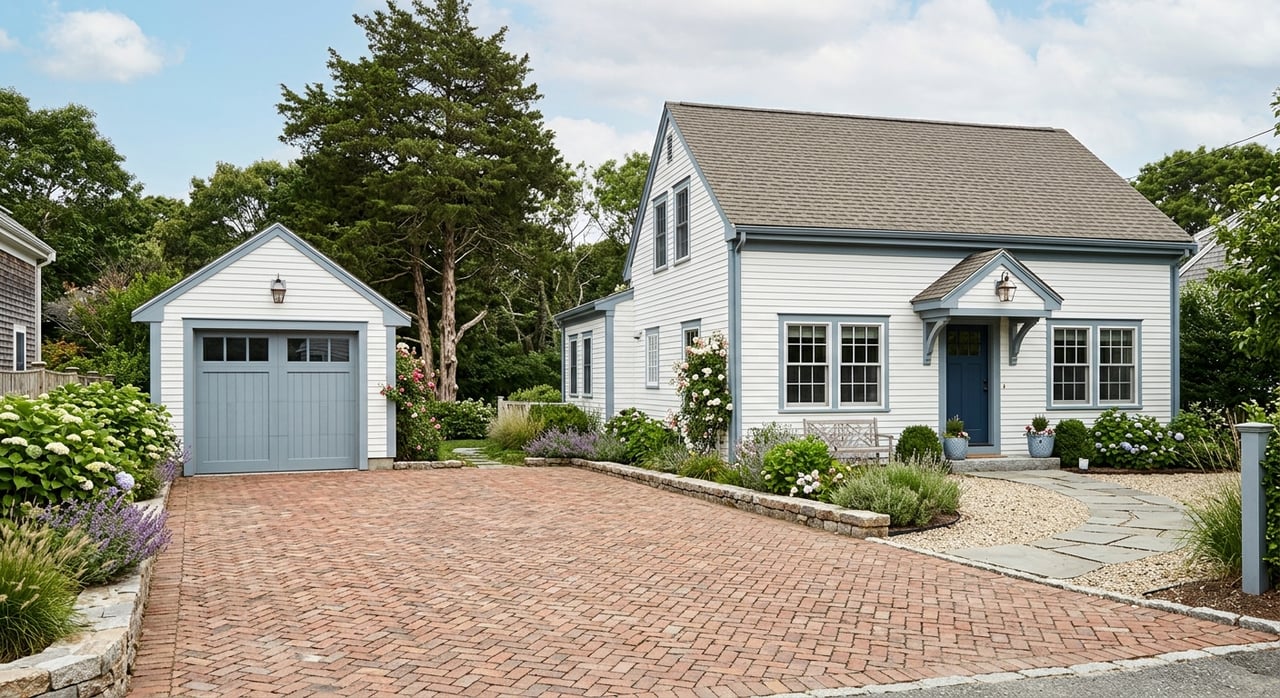
Living Near Historic Downtown St. Augustine
May 7, 2026
May 7, 2026
What if your daily routine included morning walks past centuries-old architecture, easy access to waterfront views, and restaurants and shops just a few blocks away? If you are thinking about living near Historic Downtown St. Augustine, you are probably drawn to more than a home. You are looking at a lifestyle shaped by history, walkability, and coastal access. Here’s what you should know before you buy, so you can decide whether this part of St. Augustine fits the way you want to live. Let’s dive in.
Historic Downtown St. Augustine offers something that is hard to find in many Florida cities: a true historic core that still functions as an everyday neighborhood. The street layout dates back to the late 1500s, and that older design still shapes daily life now. You get charm, character, and a compact feel, but you also need to be ready for narrow streets, one-way traffic patterns, and limited parking.
The appeal is easy to understand. Historic Downtown brings together Matanzas Bay, St. George Street, Aviles Street, museums, live music, waterfront dining, and architecture from several different eras. Many buildings date back to the 1700s, and the area still includes colonial-origin buildings and reconstructed colonial models that help preserve the city’s historic identity.
The atmosphere also changes depending on the time of day and week. Weekday mornings tend to feel quieter, while weekends are often busier and more social. If you enjoy energy and activity close to home, that can be a major plus.
Living near downtown often means you can do more without getting in your car. The City of St. Augustine says most streets have sidewalks, and it gives the city a walk score of 85 out of 100. Downtown biking is also common, with more than 30 bike parking locations throughout the area.
If you want options beyond walking or biking, the city operates the free STAR Circulator daily from 10 a.m. to 10 p.m. St. Johns County also runs Sunshine Bus routes, which helps fill the gap since St. Augustine does not have its own dedicated public transportation system.
That said, convenience comes with tradeoffs. Parking is one of the biggest everyday factors to think through before buying near the historic core. If you plan to commute regularly, host guests often, or rely heavily on a personal vehicle, the parking setup may shape which nearby neighborhood feels most practical.
Downtown St. Augustine is known for limited parking, especially during popular seasons and events. The Historic Downtown Parking Facility has 1,200 spaces and is open 24/7, giving residents and visitors a central option within walking distance of major downtown destinations. City pricing also varies by location and time, with meters, lots, and garage rates changing during peak and off-peak periods.
For St. Johns County residents, there are discounted parking options available through city programs. The city also offers a monthly garage pass, which may be helpful if you expect to spend frequent time downtown. These practical details can make a real difference in your monthly routine.
Seasonal traffic is another part of the lifestyle. During Nights of Lights and other busy periods, the city has used temporary resident-only parking in some downtown-adjacent neighborhoods and park-and-ride shuttles to reduce congestion. If you love being close to the action, this may feel worthwhile. If you prefer a quieter setting, it may push you toward a nearby neighborhood instead of the tightest downtown blocks.
You do not have to live in the center of Historic Downtown to enjoy its benefits. Several nearby areas give you close access while offering different housing styles, street patterns, and everyday rhythms. That flexibility is one reason St. Augustine appeals to such a wide range of buyers.
Lincolnville sits about half a mile from Historic Downtown and offers a mix of old porch homes, restored Victorians, and modern amenities. For buyers who want charm and historic character with a little breathing room, Lincolnville is often part of the conversation. It keeps you close enough to walk or bike downtown while giving you a neighborhood setting of its own.
Uptown includes historic districts such as Abbott Tract and Nelmar Terrace, with homes dating to the late 1800s and early 1900s. The area feels layered and established, with architecture that reflects a different chapter of St. Augustine’s growth. If you appreciate older homes and a setting that still feels connected to downtown, Uptown may be worth a closer look.
Across the Bridge of Lions, Davis Shores blends homes from different eras with green space and beach proximity. This area can appeal to buyers who want easier access to both downtown and the coast. It offers a different feel from the historic core while still keeping major St. Augustine destinations close.
The blocks around Flagler College are part of a National Historic Landmark District built around Henry Flagler-era homes. That setting creates a distinct look and feel, with architecture and streetscapes shaped by a very specific period of local history. If you are drawn to landmark surroundings, this area stands out.
One of the biggest reasons buyers are drawn to this area is variety. Near Historic Downtown St. Augustine, you are not looking at one single architectural style. You are seeing a mix of Spanish Colonial, Renaissance Revival, Gilded Age influences, restored Victorians, and other older residential forms that give the area a layered look.
That character can be a huge advantage if you want a home with presence and personality. At the same time, older housing can come with a different maintenance profile than newer construction. Exterior materials, layout quirks, and age-related upkeep can all become part of your ownership experience.
For some buyers, that is part of the appeal. For others, the better fit may be newer housing within a short drive of downtown, where you can stay connected to the district without taking on the same level of maintenance or design restrictions.
If you buy close to the historic core, design review is an important part of the decision. The City of St. Augustine says properties in Historic Preservation zoning districts are subject to Historic Architectural Review Board approval. Alterations and demolition require review, and design guidelines also apply to new development and redevelopment in certain districts and corridors.
In practical terms, this means exterior changes may be more regulated the closer you are to the historic center. If you are considering updates, additions, or a longer-term renovation plan, you will want to understand those requirements early. This is one area where clear guidance and a careful review of the property can help you avoid surprises.
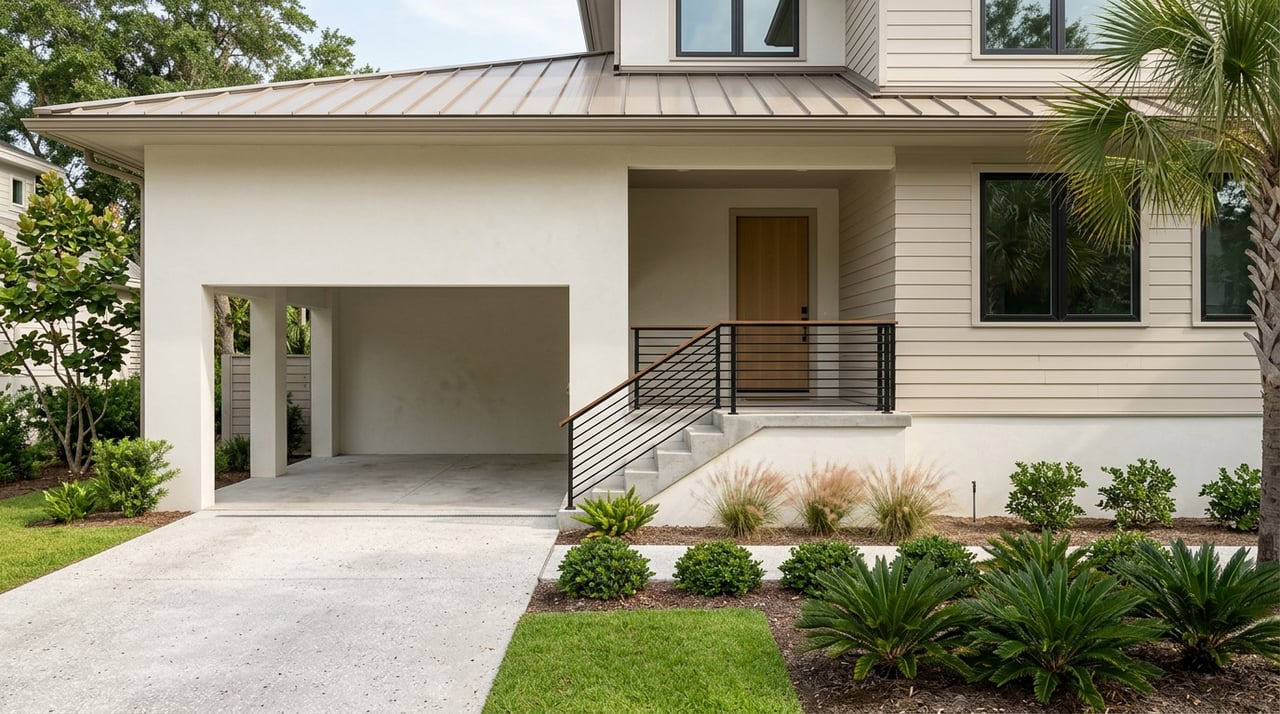
Not every buyer near Historic Downtown wants a historic home. Some want modern layouts, newer systems, and simpler upkeep while still staying within easy reach of downtown restaurants, events, and waterfront areas. Fortunately, St. Augustine offers that option too.
Communities and apartment developments such as Cordova Palms, Soluna Apartments, Flagler Crossing, and The Bradley show how you can trade some of the preservation constraints for newer amenities and a more modern maintenance profile. Depending on where you land, you may still be within about 20 minutes of downtown while also staying close to beaches, parks, or commute routes.
One of the strongest advantages of living near Historic Downtown is how quickly you can shift from city streets to coastal scenery. St. Augustine Beach is just minutes from the heart of town, and Vilano Beach sits just north of the historic district. That combination gives you access to cafés, surf shops, parks, and shoreline views without giving up the downtown experience.
Anastasia State Park adds trails, camping, and beach access, while Fort Matanzas National Monument is about 14 miles south along A1A. For many buyers, this balance is what makes St. Augustine feel so different from other historic destinations. You are not choosing between history and the coast. You can enjoy both.
Still, beach logistics matter. St. Johns County says some county beaches allow vehicle access, but rules vary by location and season. From March 1 through September 30, vehicles need a beach pass, Vilano Beach vehicle access is limited to 4WD vehicles with restricted capacity, and Anastasia State Park does not allow driving on the beach.
If you are buying near Historic Downtown St. Augustine, flood-zone review should be part of your normal due diligence. The city says 90 percent of residents live in a floodplain, and it identifies flooding, storm surge, sea-level rise, erosion, and rising water tables as major local challenges. Past storm events have affected Davis Shores, Lincolnville, the Historic Districts, and Abbott Tract.
That does not mean you should avoid the area. It means you should ask smart questions and review the right property-specific details. The city provides flood-zone maps, historical flooding information, and elevation certificates on request, which can help you make a more informed decision.
For many buyers, this is simply part of buying in a coastal Florida market. The key is going in with a clear plan, understanding the property’s location and history, and weighing those factors alongside lifestyle goals, budget, and maintenance expectations.
Living near Historic Downtown St. Augustine tends to work best if you value walkability, character, and close access to dining, culture, and the beach. It can be a great fit if you want your surroundings to feel unique and if you enjoy being near the energy of a well-loved destination. In return, you should be ready for tradeoffs like parking challenges, seasonal crowds, preservation rules, and flood awareness.
If you are trying to decide between the historic core and nearby neighborhoods, the right answer often comes down to how you want your days to feel. Some buyers want to be in the middle of the action. Others want a little more space or a newer home while still staying connected to downtown.
That is where local market insight really matters. If you want help comparing neighborhoods, understanding property tradeoffs, or building a smart plan for buying in St. Augustine, Kaitlin Chernyshov can help you move forward with clarity and confidence.
Stay up to date on the latest real estate trends.

Whether you’re buying your first home or planning your next sale, our team is here to guide you every step of the way.

ADDRESS 8380 BAYMEADOWS RD STE 17 JACKSONVILLE FL 32256